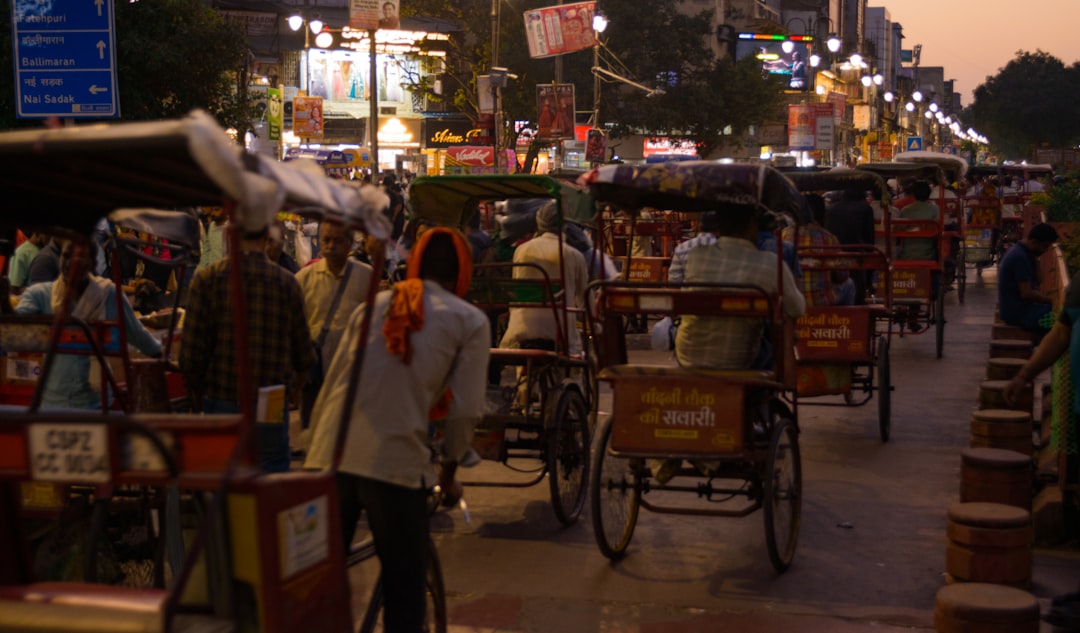
As I sit here, reflecting on my experiences with cultural immersion, I am transported back to the countless moments that shaped me into the person I am today. Growing up in a multicultural community, I was always fascinated by the diverse traditions, customs, and ways of life that surrounded me. My curiosity and thirst for knowledge led me to embark on a journey <a href="https://serigezginler.com/embracing-the-unknown-my-journey-of-cultural-immersion-2/" title="Embracing the Unknown: My Journey of Cultural Immersion”>of cultural immersion, which has been a life-changing experience.
My Background with Cultural Immersion
My first encounter with cultural immersion was during my college days, when I participated in a study abroad program in Japan. I had always been drawn to the Japanese culture, and the opportunity to live and study in Tokyo was a dream come true. I spent six months immersed in the language, customs, and traditions <a href="https://serigezginler.com/discovering-the-hidden-gems-of-japan-my-unforgettable-adventure/" title="Discovering the Hidden Gems of Japan: My Unforgettable Adventure”>of Japan, and it was an experience that opened my eyes to a whole new world. From the bustling streets of Shibuya to the serene gardens of Kyoto, I was fascinated by the unique blend of modernity and tradition that defined Japan.
After my experience in Japan, I became hooked on cultural immersion. I went on to participate in homestay programs in India, language exchange programs in Brazil, and cultural festivals in Morocco. Each experience was a window into a new world, and I was eager to learn and absorb as much as I could. I devoured books, attended cultural events, and engaged in conversations with people from different backgrounds, all in an effort to deepen my understanding of the world and its many cultures.
What I Learned
Through my experiences with cultural immersion, I learned the value of empathy, adaptability, and open-mindedness. I discovered that cultural differences are not something to be feared or judged, but rather something to be celebrated and learned from. I gained a new appreciation for the diversity of human experience and the many ways in which people live, work, and interact with one another.
One of the most significant lessons I learned was the importance of language in cultural immersion. Language is not just a means of communication; it is also a key to unlocking cultural nuances and understanding. I made a conscious effort to learn the local language wherever I went, and it made a huge difference in my ability to connect with people and navigate everyday situations.
I also learned about the concept of “cultural humility,” which refers to the ability to recognize and acknowledge the limitations of one’s own cultural perspective. This meant being willing to listen, learn, and adapt, rather than imposing my own cultural norms and expectations on others. It was a humbling experience, to say the least, but one that helped me grow both personally and professionally.
Challenges I Faced
Of course, cultural immersion is not without its challenges. One of the biggest hurdles I faced was the language barrier. Despite my best efforts to learn the local language, there were times when I struggled to communicate effectively. I remember feeling frustrated and isolated during my early days in Japan, when I couldn’t even order a simple meal without struggling to find the right words.
Another challenge I faced was cultural shock. Moving from one culture to another can be disorienting, to say the least. I experienced culture shock in India, where the crowds, noise, and chaos of urban life were overwhelming at first. I had to learn to navigate the complexities of Indian culture, from the intricacies of caste and social hierarchy to the nuances of nonverbal communication.
Despite these challenges, I persevered and found ways to overcome them. I sought out language exchange partners, joined cultural clubs and organizations, and attended local events and festivals. I also made a conscious effort to be patient and flexible, recognizing that cultural immersion is a process that takes time, effort, and dedication.
What Worked for Me
So, what worked for me in my cultural immersion journey? First and foremost, I found that having a positive attitude and a willingness to learn were essential. I approached each new experience with an open mind and a sense of curiosity, which helped me navigate unfamiliar situations and build connections with people from different backgrounds.
I also found that language learning was critical to my success. Whether it was taking language classes, using language learning apps, or practicing with native speakers, I made a concerted effort to improve my language skills wherever I went. This not only helped me communicate more effectively but also deepened my understanding of the local culture and customs.
Another key factor was my ability to be flexible and adapt to new situations. Cultural immersion requires a certain level of flexibility and resilience, as you navigate unfamiliar customs, traditions, and ways of life. I learned to be patient, to laugh at myself, and to roll with the punches, even when things didn’t go according to plan.
What Didn’t Work
Of course, not everything worked out as planned. One of the things that didn’t work for me was trying to impose my own cultural norms and expectations on others. I learned that cultural immersion is not about trying to change or improve the local culture, but rather about learning from and appreciating it for what it is.
I also struggled with feelings of loneliness and isolation, particularly during my early days in a new country. I had to learn to reach out to others, join local communities, and build relationships with people from different backgrounds. This took time and effort, but it was ultimately worth it, as I formed lasting connections and friendships that enriched my life in ways I never could have imagined.
Advice Based on My Experience
So, what advice would I give to someone considering cultural immersion? First and foremost, be open-minded and willing to learn. Cultural immersion is not just about absorbing information; it’s about being receptive to new experiences, people, and ways of life.
Second, prioritize language learning. Language is the key to unlocking cultural nuances and understanding, and it will make a huge difference in your ability to connect with people and navigate everyday situations.
Third, be patient and flexible. Cultural immersion is a process that takes time, effort, and dedication. Don’t be discouraged by setbacks or challenges; instead, learn to laugh at yourself, roll with the punches, and adapt to new situations.
Finally, be humble and recognize the limitations of your own cultural perspective. Cultural immersion is not about imposing your own cultural norms and expectations on others; it’s about learning from and appreciating the diversity of human experience.
Would I Recommend This?
In a heartbeat, I would recommend cultural immersion to anyone looking to broaden their horizons, challenge their assumptions, and deepen their understanding of the world. It’s not always easy, and it’s not always comfortable, but it’s an experience that will change your life in ways you never could have imagined.
Through cultural immersion, I gained a new appreciation for the diversity of human experience, a deeper understanding of different cultures and traditions, and a sense of empathy and compassion that I never thought possible. I formed lasting connections and friendships, and I developed a sense of confidence and self-awareness that has served me well in all areas of my life.
If you’re considering cultural immersion, I say go for it. Take the leap, be open-minded, and be willing to learn. You never know where it will take you, but I promise you, it will be an adventure you’ll never forget.
Leave a Reply